Chow Mein
This post may contain affiliate links
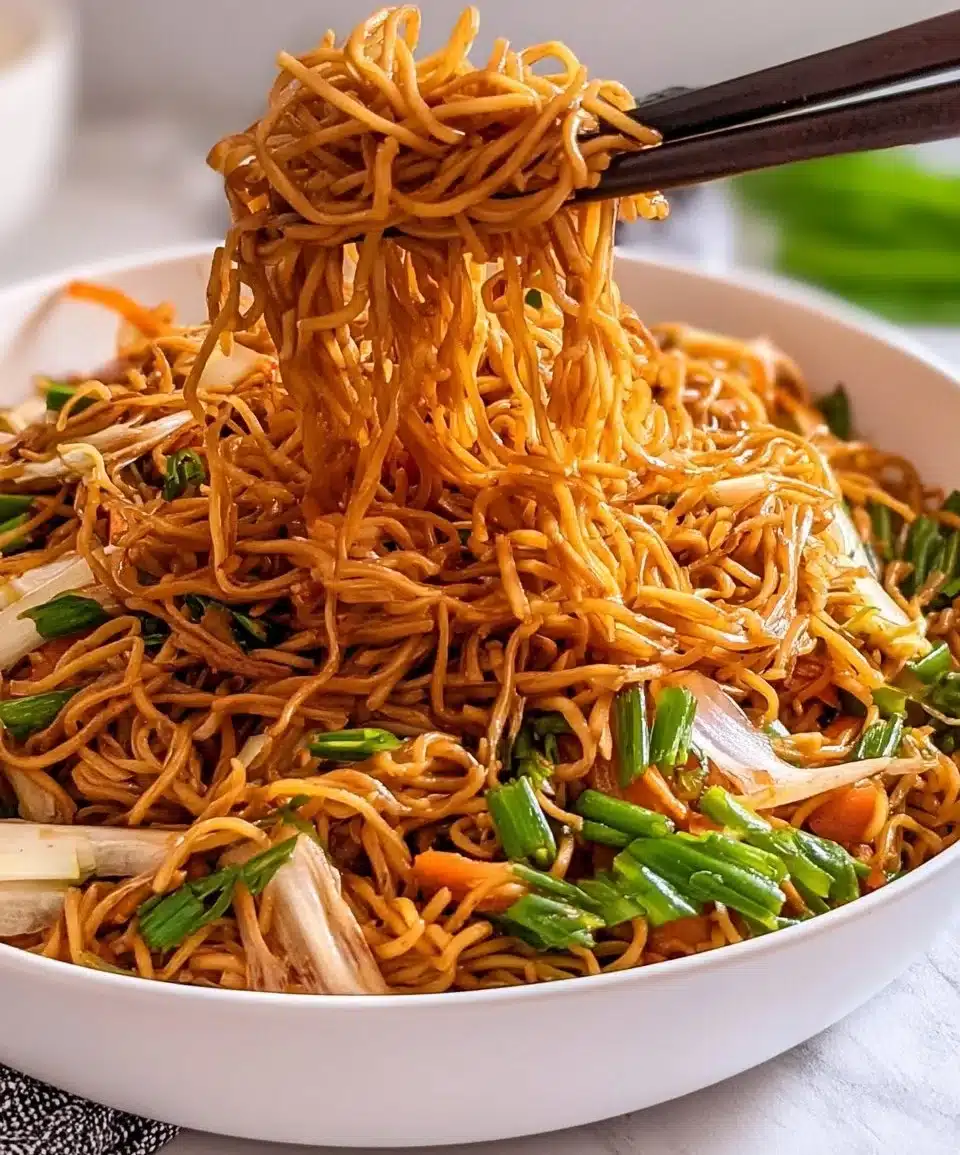
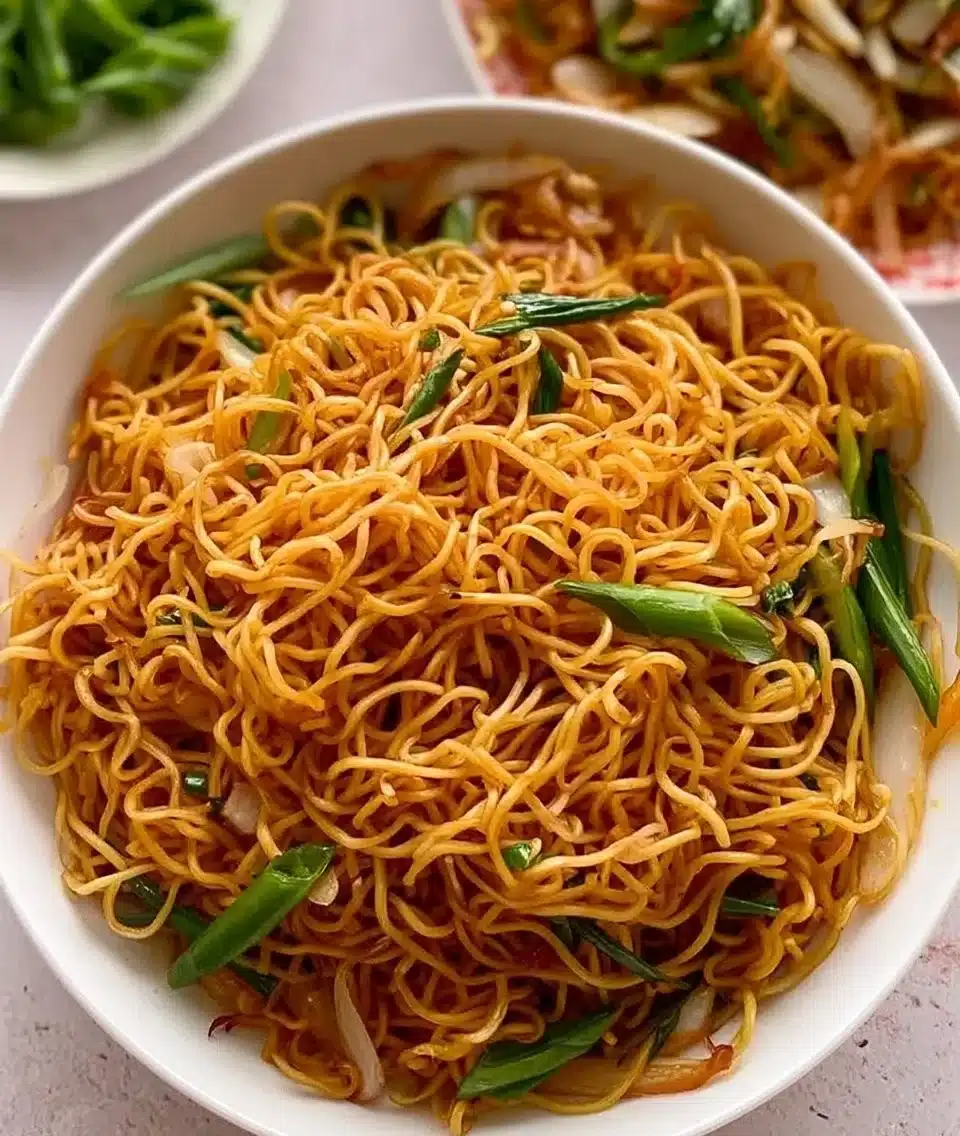
Chow Mein has a way of bringing warmth to the kitchen, filling the air with the fragrant aromas of garlic and ginger, and making our bellies rumble with anticipation. As I stand over the stove, the sizzle of the vegetables meeting the heat awakens memories of shared meals with family and friends, laughter ringing through our home as we indulge in this beloved dish. Chow Mein isn’t just food; it’s a comforting hug on a plate, rich with flavors and textures, making it a favorite amongst many.
When I think of Chow Mein, I envision a colorful medley of crisp vegetables and tender noodles, all enveloped in a savory soy sauce that dances on the palate. This dish has traveled through time and culture, adapting in countless ways. Each bite tells a story, connecting us to distant places and cherished occasions. Join me as we dive into the heart of Chow Mein and explore its delightful simplicity.
Exploring the Roots of Chow Mein
Chow Mein has its roots deeply embedded in Chinese culture, where it is celebrated not just as a meal, but as a symbol of togetherness. The term “Chow Mein” translates to “fried noodles,” and it reflects a vibrant culinary tradition that emphasizes fresh ingredients and quick cooking methods. Through my travels, I’ve come to appreciate that each region in China has its own twist on this popular dish, from the crispy noodle variations of Canton to the softer versions found in Sichuan. It’s no wonder Chow Mein has transcended cultures, finding its way into kitchens around the globe.
This dish is a fantastic entry point for those eager to explore Asian cuisine. With its straightforward ingredients and cooking method, Chow Mein invites home cooks of all levels to join in the fun. Plus, it offers versatility, allowing for endless variations based on personal preferences or what’s in the fridge at the time.
Why You’ll Love This Chow Mein
- Flavor Explosion: Combining garlic, ginger, and soy sauce creates a rich tapestry of taste that is simply irresistible.
- Quick and Easy: Perfect for busy weeknights, this Chow Mein recipe comes together in under 30 minutes.
- Healthful and Satisfying: Loaded with fresh vegetables, it delivers a nutritious meal that feels indulgent.
- Family Favorite: It’s a crowd-pleaser that even picky eaters will enjoy, making it a go-to for families.
Who It’s For
- Busy Families: Those in need of a quick, nutritious dinner solution.
- Health-Conscious Cooks: Home cooks looking to incorporate more vegetables into their meals without sacrificing flavor.
- Beginners: Ideal for novice cooks eager to build confidence in the kitchen.
- Foodies: Culinary enthusiasts eager to experiment with flavors and ingredients.
Perfect Moments to Enjoy Chow Mein
- Weeknight Dinners: A quick, satisfying meal after a busy day.
- Casual Gatherings: Easy to scale up for parties or family get-togethers.
- Cozy Nights In: Perfect for when you crave comfort food cuddled up on the couch.
- Celebrations: A delightful option for Lunar New Year or other festive occasions.
How to Make the Perfect Chow Mein
Creating a delightful Chow Mein is not just about the ingredients—it’s about the love and laughter you share while preparing it. Let’s gather our ingredients and get cooking!
Ingredients
- 8 oz chow mein noodles
- 2 tbsp vegetable oil
- 1 cup mixed vegetables (carrots, bell peppers, broccoli, etc.)
- 2 cloves garlic, minced
- 1 inch ginger, grated
- 3 tbsp soy sauce
- Salt and pepper to taste
- Green onions for garnish
Step-by-Step Instructions
- Cook the chow mein noodles according to package instructions; drain and set aside.
- Heat vegetable oil in a large skillet or wok over medium-high heat.
- Add garlic and ginger; sauté until fragrant.
- Add mixed vegetables; stir-fry for about 3-4 minutes until they are crisp-tender.
- Stir in the cooked noodles and soy sauce, tossing everything together for about 2-3 minutes until heated through.
- Season with salt and pepper to taste.
- Serve hot, garnished with chopped green onions.
For People with Diabetes: Sugar Substitutes
If you’re looking for sugar substitutes, consider using stevia, monk fruit, or allulose. It’s important to avoid adding honey or maple syrup, as they can elevate blood sugar levels.
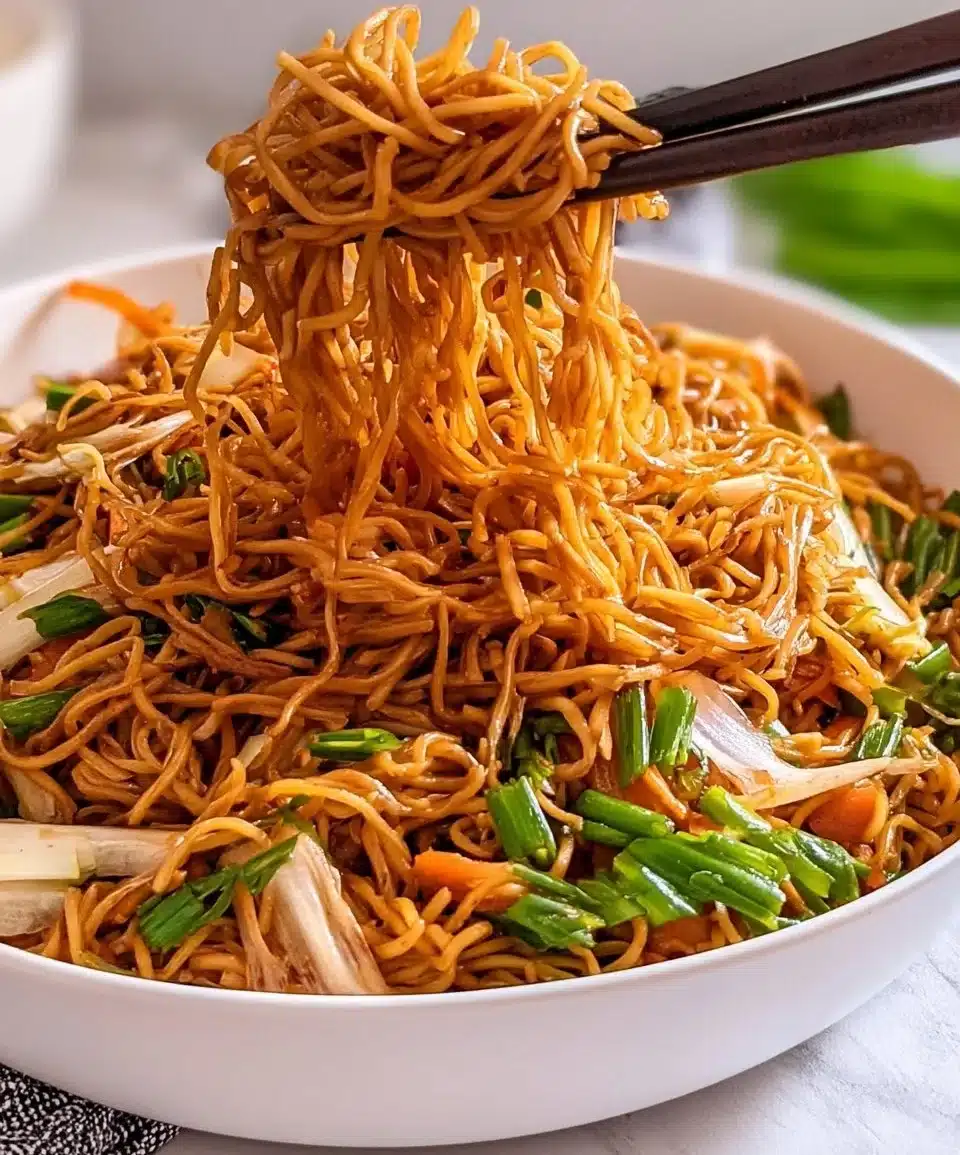
Essential Tools for Chow Mein
- Large skillet or wok
- Cooking ladle or spatula
- Measuring cups and spoons
- Knife and cutting board
- Colander (for draining noodles)
Pro Tips to Elevate Your Chow Mein
- Prep Ahead: Chop your vegetables and mince the garlic and ginger beforehand to streamline cooking.
- High Heat: Ensure your skillet or wok is hot before adding ingredients for a perfect stir-fry texture.
- Fresh Ingredients: Use seasonal vegetables for the best flavor and nutritional benefits.
- Soy Sauce Variations: Experiment with low-sodium soy sauce or tamari for a gluten-free option.
How to Store & Reheat Chow Mein
- Fridge: Store in an airtight container for up to 3 days.
- Freezer: Freeze for up to 2 months in a sealed container. Thaw overnight in the fridge before reheating.
- Reheat: Warm up in a skillet over medium heat or in the microwave until heated through.
Common Mistakes to Avoid
- Overcooking Noodles: Ensure you don’t overcook the noodles; they should be al dente before adding to the stir-fry.
- Skipping the Garlic & Ginger: These ingredients are essential for flavor; don’t leave them out!
- Crowding the Pan: Cook in batches if your skillet is not large enough to prevent steaming the vegetables.
FAQs About Chow Mein
- Can I use different vegetables? Yes, feel free to use your favorites or whatever you have on hand.
- Is Chow Mein gluten-free? It depends. Use gluten-free noodles and tamari for soy sauce.
- Can I make Chow Mein ahead of time? Yes, it can be prepped and stored for later; just reheat before serving.
- Is this dish vegan? Yes, it’s plant-based and suitable for vegans!
- Can I add protein to this Chow Mein? Yes! Chickens, shrimp, or tofu can enhance the dish beautifully.
Final Thoughts on Chow Mein
Chow Mein is one of those dishes that carries both culture and comfort in every bite. Whether it’s a busy weeknight or a special occasion, this recipe effortlessly brings joy to the table. I can’t wait to hear how your Chow Mein turns out! Please share your thoughts or variations in the comments. Enjoy every delicious moment!
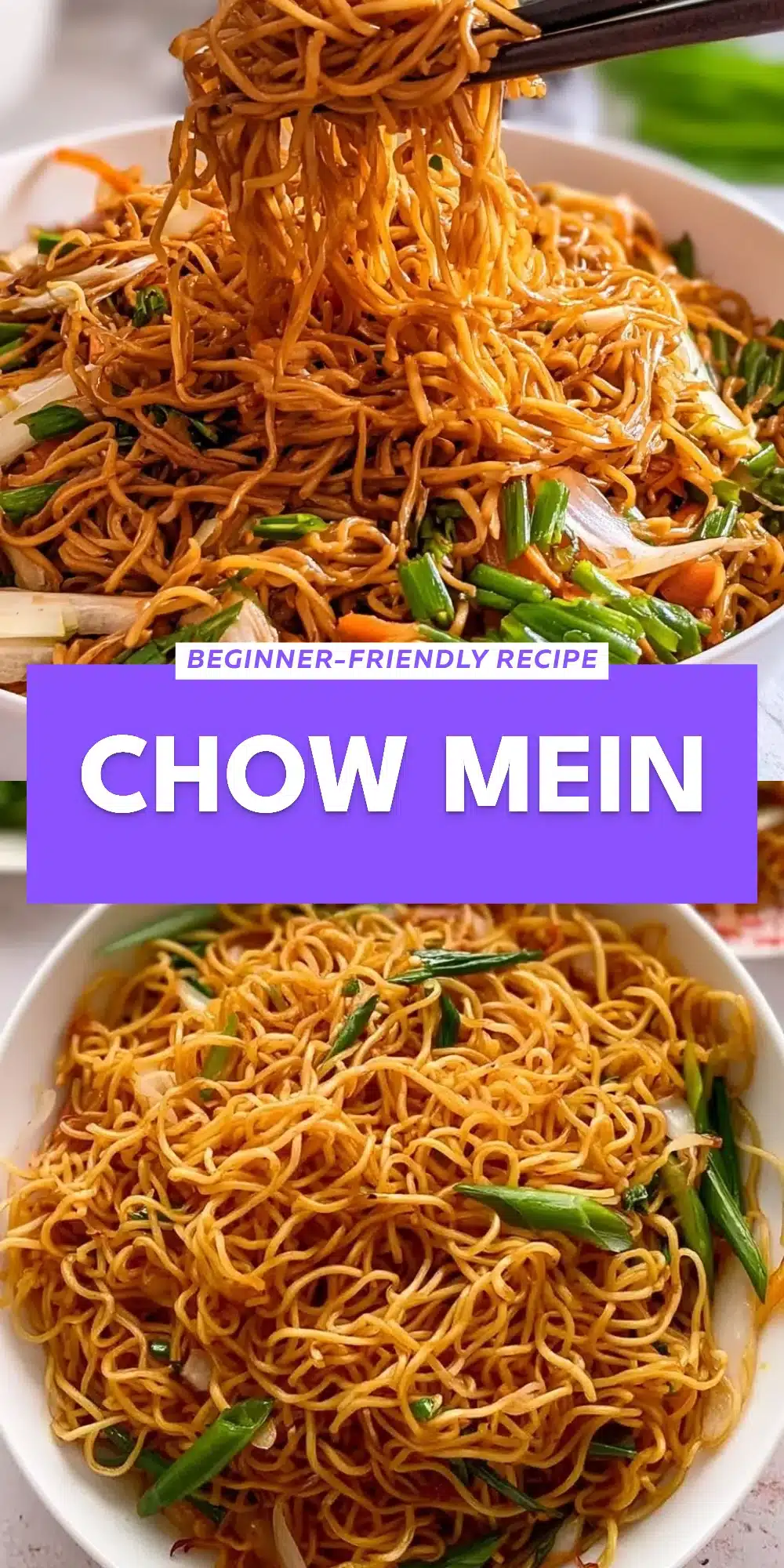
Chow Mein
A comforting and flavorful stir-fried noodle dish, packed with vegetables and seasoned with garlic, ginger, and soy sauce.
- Prep Time: 10 minutes
- Cook Time: 15 minutes
- Total Time: 25 minutes
- Yield: 4 servings 1x
- Category: Main Course
- Method: Stir-Frying
- Cuisine: Chinese
- Diet: Vegetarian
Ingredients
- 8 oz chow mein noodles
- 2 tbsp vegetable oil
- 1 cup mixed vegetables (carrots, bell peppers, broccoli, etc.)
- 2 cloves garlic, minced
- 1 inch ginger, grated
- 3 tbsp soy sauce
- Salt and pepper to taste
- Green onions for garnish
Instructions
- Cook the chow mein noodles according to package instructions; drain and set aside.
- Heat vegetable oil in a large skillet or wok over medium-high heat.
- Add garlic and ginger; sauté until fragrant.
- Add mixed vegetables; stir-fry for about 3-4 minutes until they are crisp-tender.
- Stir in the cooked noodles and soy sauce, tossing everything together for about 2-3 minutes until heated through.
- Season with salt and pepper to taste.
- Serve hot, garnished with chopped green onions.
Notes
Prep ahead by chopping vegetables and mincing garlic and ginger beforehand. Use high heat for the best stir-fry texture.
Nutrition
- Serving Size: 1 serving
- Calories: 350
- Sugar: 5g
- Sodium: 400mg
- Fat: 15g
- Saturated Fat: 2g
- Unsaturated Fat: 10g
- Trans Fat: 0g
- Carbohydrates: 50g
- Fiber: 4g
- Protein: 10g
- Cholesterol: 0mg