
Gluten-Free Greek Healing Soup
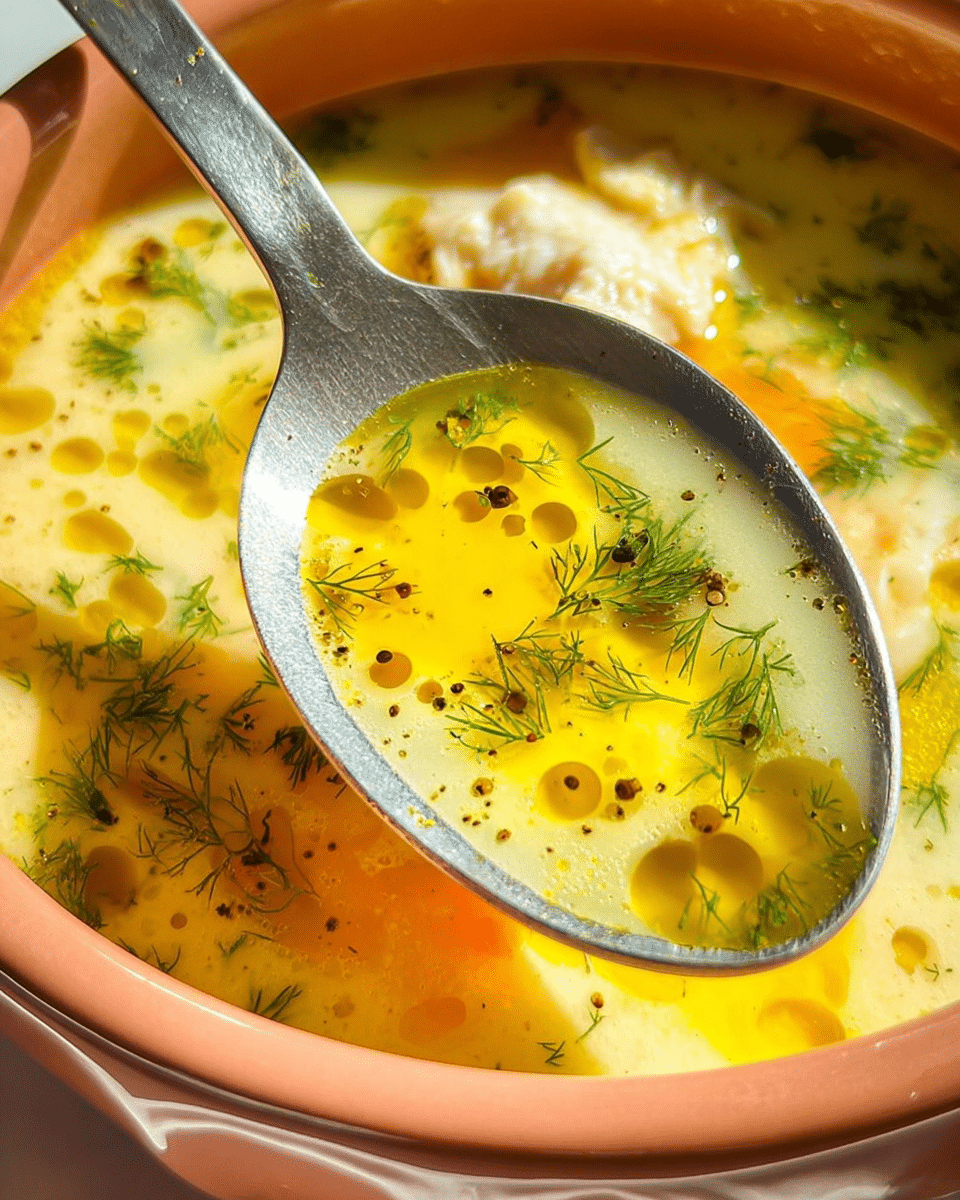
As the winter chill settles in, I find myself craving warmth and comfort, and nothing embodies that better than my Gluten-Free Greek Healing Soup. This dish is a cherished family recipe, passed down through generations, each bowl brimming with love and healing properties. The aroma of sautéed garlic and onion fills my kitchen, inviting everyone to gather around the table. With every spoonful, the tender chicken, vibrant vegetables, and a hint of lemon create a symphony of flavors that not only warms the body but also nourishes the soul. Join me in discovering this delightful Greek Healing Soup that’s perfect for cozy nights in!
What is Gluten-Free Greek Healing Soup?
The Gluten-Free Greek Healing Soup is a delightful twist on the traditional Avgolemono soup, a beloved staple in Greek cuisine known for its comforting qualities. Originating from the sunny shores of Greece, this soup is often enjoyed during colder months, providing warmth and nourishment to families. The combination of tender chicken, fresh vegetables, and the unique addition of eggs and lemon creates a rich, velvety texture that is both satisfying and revitalizing.
This soup is not just a meal; it’s a cultural experience. In Greece, food is often seen as a form of healing, and this soup embodies that philosophy. The use of fresh dill, a herb commonly found in Mediterranean cooking, adds a fragrant touch that elevates the dish. It’s a reminder of the vibrant flavors that define Greek cuisine, where every ingredient plays a role in promoting health and well-being.
As I prepare this Greek Healing Soup, I can’t help but think of family gatherings where laughter and stories are shared over bowls of this nourishing dish. It’s a recipe that transcends generations, bringing comfort and joy to those who partake in it. Whether you’re seeking a remedy for a winter chill or simply craving a hearty meal, this soup is sure to warm your heart and soul.
Why You’ll Love This Gluten-Free Greek Healing Soup
- Convenient and Quick: With a total prep and cook time of just 45 minutes, this soup is perfect for busy weeknights when you need a nourishing meal without the fuss.
- Deliciously Comforting: The combination of tender chicken, fresh vegetables, and a hint of lemon creates a flavor profile that is both comforting and invigorating, making it a family favorite.
- Health Benefits: Packed with protein, vitamins, and minerals, this soup is not only gluten-free but also a great source of nourishment, helping to boost your immune system during the colder months.
- Family-Friendly: Kids and adults alike will love the creamy texture and vibrant flavors, making it an ideal dish for family gatherings or cozy dinners.
- Versatile and Customizable: Easily adapt this recipe to suit dietary preferences by swapping chicken for chickpeas or using vegetable broth for a vegetarian option.
Who It’s For
This Gluten-Free Greek Healing Soup is perfect for busy families looking for a wholesome meal that everyone will enjoy. It’s also ideal for health-conscious cooks who want to incorporate nutritious ingredients into their meals without sacrificing flavor. Food lovers will appreciate the rich cultural heritage and comforting qualities of this dish, making it a delightful addition to any kitchen.
When to Cook It
Whether it’s a chilly weeknight dinner, a cozy family gathering, or a comforting meal after a long day, this soup is versatile enough to fit any occasion. It’s also a wonderful choice for celebrations, where sharing a bowl of this healing soup can bring warmth and joy to your loved ones. Whenever you need a little extra comfort, this Greek Healing Soup is ready to deliver!
How to Make the Perfect Gluten-Free Greek Healing Soup
Ingredients
To create this nourishing Gluten-Free Greek Healing Soup, you’ll need a selection of wholesome ingredients that not only enhance the flavor but also contribute to its healing properties. Here’s what you’ll need:
- 1 tablespoon olive oil: For sautéing and adding healthy fats.
- 1 onion, chopped: A base for flavor and aroma.
- 2 cloves garlic, minced: Adds depth and health benefits.
- 4 cups chicken or vegetable broth: The heart of the soup, providing warmth and nourishment.
- 1 cup carrots, sliced: For sweetness and color.
- 1 cup celery, sliced: Adds crunch and flavor.
- 1 cup cooked chicken, shredded: A protein boost; can be swapped with chickpeas for a vegetarian option.
- 1/2 cup rice or quinoa: For heartiness; quinoa is a great gluten-free alternative.
- 1/4 cup fresh dill, chopped: A fragrant herb that brightens the soup.
- 2 eggs: For creaminess and richness.
- 1 lemon, juiced: Adds a refreshing tang.
- Salt and pepper to taste: Essential for seasoning.
Step-by-Step Instructions
Now that you have your ingredients ready, let’s dive into the cooking process. Making this Greek Healing Soup is straightforward and rewarding:
- In a large pot, heat the olive oil over medium heat. Add the chopped onion and garlic, sautéing until translucent and fragrant.
- Pour in the chicken or vegetable broth and bring to a boil, filling your kitchen with a comforting aroma.
- Add the sliced carrots and celery, cooking until tender, about 5-7 minutes.
- Stir in the cooked chicken and rice or quinoa, simmering for about 10 minutes to meld the flavors.
- In a bowl, whisk together the eggs and lemon juice until well combined.
- Slowly add a ladle of hot soup to the egg mixture, whisking continuously to temper the eggs and prevent curdling.
- Gradually stir the egg mixture back into the soup, ensuring it remains smooth and creamy.
- Season with salt, pepper, and fresh dill before serving, allowing the flavors to shine.
Discover my list of kitchen tools I always use.
For People with Diabetes: Sugar Substitutes
If you’re looking for sugar substitutes, consider using stevia, monk fruit, erythritol, or allulose. These options provide sweetness without the carbs. It’s best to avoid honey or maple syrup, as they can spike blood sugar levels.
Tools You’ll Need
To make your Gluten-Free Greek Healing Soup effortlessly, having the right tools on hand can make all the difference. Here’s a list of essential kitchen tools you’ll need, along with some easy alternatives:
- Large Pot: A heavy-bottomed pot is ideal for even cooking. If you don’t have one, a deep skillet can work too.
- Wooden Spoon: Perfect for stirring without scratching your pot. A silicone spatula is a great alternative.
- Whisk: Essential for mixing the egg and lemon juice. If you don’t have a whisk, a fork will do just fine!
- Measuring Cups and Spoons: Accurate measurements are key. If you’re in a pinch, use a standard coffee mug or a tablespoon from your cutlery set.
- Cutting Board and Knife: For chopping vegetables. A sturdy plate can serve as a makeshift cutting surface if needed.
- Soup Ladle: Great for serving. If you don’t have one, a large spoon can work just as well.
Tips from Well-Known Chefs
When it comes to making the perfect Gluten-Free Greek Healing Soup, I’ve gathered some invaluable tips from renowned chefs that can elevate your cooking experience. These hacks not only enhance the flavor but also streamline the process, making it even more enjoyable:
- Use Fresh Herbs: Chef Yotam Ottolenghi emphasizes the importance of fresh herbs in Mediterranean cooking. Adding fresh dill at the end of cooking, as I do in this recipe, brightens the soup and enhances its healing properties.
- Perfectly Tempering Eggs: Chef Thomas Keller suggests slowly adding hot liquid to eggs to prevent curdling. This technique ensures a creamy texture in your soup, just like the traditional Avgolemono.
- Layering Flavors: Chef Ina Garten recommends building flavors by sautéing your aromatics (onion and garlic) until they are golden. This step adds depth to your soup, making each spoonful more satisfying.
- Quality Broth Matters: Chef Jamie Oliver insists that using high-quality broth can make a significant difference. Whether you choose chicken or vegetable broth, opt for low-sodium versions to control the saltiness of your soup.
- Don’t Skip the Lemon: Chef Michael Symon highlights the role of acidity in balancing flavors. A generous squeeze of lemon juice not only brightens the soup but also enhances its healing qualities.
Incorporating these chef-approved tips into your cooking will not only improve the taste of your Greek Healing Soup but also make the process more enjoyable. Happy cooking!
Delicious Variations to Customize Your Greek Soup
One of the beautiful aspects of the Gluten-Free Greek Healing Soup is its versatility. You can easily customize it to suit your taste preferences or dietary needs. Here are some delightful variations to consider:
- Vegetarian Delight: For a meat-free version, simply omit the chicken and use vegetable broth. You can add chickpeas or white beans for a protein boost, along with extra vegetables like zucchini or bell peppers for added flavor and nutrition.
- Spicy Kick: If you enjoy a bit of heat, consider adding a pinch of red pepper flakes or a diced jalapeño to the sautéed onions and garlic. This will give your soup a warm, spicy undertone that complements the other flavors beautifully.
- Herb Infusion: While dill is a classic choice, feel free to experiment with other herbs. Fresh parsley, thyme, or even a touch of oregano can add a unique twist to your soup. Just remember to add them towards the end of cooking to preserve their vibrant flavors.
- Creamy Coconut Variation: For a tropical twist, replace half of the broth with coconut milk. This will give your soup a rich, creamy texture and a subtle sweetness that pairs wonderfully with the lemon and dill.
- Quinoa Power: Instead of rice, try using quinoa for a nutty flavor and added protein. Quinoa cooks quickly and adds a delightful texture to the soup, making it even more satisfying.
- Root Vegetable Medley: Add depth to your soup by incorporating root vegetables like parsnips or sweet potatoes. These will not only enhance the flavor but also provide additional nutrients, making your soup even more nourishing.
Feel free to mix and match these variations to create your perfect bowl of soup. Each twist brings a new flavor profile, ensuring that your Greek Healing Soup remains a delightful staple in your kitchen!
Top Tips for Perfecting Your Gluten-Free Greek Healing Soup
Creating the perfect Gluten-Free Greek Healing Soup is all about attention to detail and a few expert techniques that can elevate your dish from good to extraordinary. Here are some invaluable tips and cooking hacks that I’ve gathered over the years, along with cultural secrets that will help you master this comforting recipe:
- Start with Quality Ingredients: The foundation of any great soup lies in its ingredients. Opt for organic vegetables and high-quality broth, as they significantly enhance the flavor and nutritional value of your Greek Healing Soup.
- Don’t Rush the Sauté: Take your time when sautéing the onion and garlic. Allow them to become golden and fragrant, as this step builds a rich base for your soup. The aroma that fills your kitchen will be worth the wait!
- Use Fresh Dill Wisely: Fresh dill is a star ingredient in this soup. Add it towards the end of cooking to preserve its vibrant flavor and aroma. This herb not only enhances the taste but also adds a beautiful pop of color to your dish.
- Perfectly Temper the Eggs: To achieve that creamy Avgolemono texture, it’s crucial to temper the eggs properly. Slowly whisk in a ladle of hot soup to the egg mixture before adding it back to the pot. This prevents the eggs from curdling and ensures a smooth, velvety finish.
- Adjust the Lemon to Taste: The lemon juice is what gives this soup its refreshing tang. Start with the recommended amount, but feel free to adjust according to your preference. A little extra squeeze can brighten the flavors even more!
- Let It Rest: If you have the time, let your soup sit for a few minutes after cooking. This allows the flavors to meld together beautifully, resulting in a more harmonious taste.
- Serve with a Side of Tradition: In Greece, it’s common to serve soup with crusty bread or a side of Greek salad. This not only complements the soup but also enhances the overall dining experience.
- Experiment with Textures: For added depth, consider incorporating different textures. You can blend a portion of the soup for a creamier consistency while leaving some chunks for a heartier bite.
- Store Properly: If you have leftovers, store them in an airtight container in the refrigerator. This soup can be enjoyed for up to three days, and the flavors often improve as it sits!
By incorporating these expert techniques and cultural secrets into your cooking, you’ll not only perfect your Gluten-Free Greek Healing Soup but also create a dish that resonates with warmth and love. Happy cooking!
Storing and Reheating Tips
Properly storing and reheating your Gluten-Free Greek Healing Soup ensures that you can enjoy its comforting flavors even days after making it. Here are some clear and practical tips for keeping your soup fresh and delicious:
Storing in the Fridge
- Cool Down: Allow the soup to cool to room temperature before transferring it to the refrigerator. This helps prevent condensation and keeps the soup from becoming watery.
- Airtight Containers: Store the soup in airtight containers to maintain its freshness. Glass containers are a great option as they don’t retain odors and are microwave-safe.
- Duration: Your Greek Healing Soup can be stored in the fridge for up to 3 days. Be sure to label the container with the date to keep track of its freshness.
Freezing for Later
- Portion Control: If you want to freeze the soup, consider portioning it into smaller containers or freezer bags. This makes it easy to thaw only what you need.
- Leave Space: When using freezer bags, leave some space at the top for expansion as the soup freezes. This prevents the bags from bursting.
- Duration: Frozen soup can last for up to 3 months. For the best quality, consume it within this timeframe.
Reheating Tips
- Thawing: If frozen, thaw the soup overnight in the refrigerator or use the defrost setting on your microwave for quicker results.
- Stovetop Reheating: For the best flavor and texture, reheat the soup on the stovetop over medium heat. Stir occasionally to ensure even heating.
- Microwave Option: If you’re short on time, you can reheat individual portions in the microwave. Use a microwave-safe container and cover it loosely to prevent splatters.
- Check Consistency: After reheating, check the consistency of the soup. If it seems too thick, add a splash of broth or water to loosen it up.
By following these storing and reheating tips, you can enjoy your Gluten-Free Greek Healing Soup at its best, whether it’s a cozy dinner or a quick lunch on a busy day!
Helpful Notes
As you embark on making your Gluten-Free Greek Healing Soup, here are some extra clarifications and tips to ensure your cooking experience is smooth and enjoyable:
- Ingredient Prep: Take the time to chop your vegetables uniformly. This ensures even cooking and enhances the overall presentation of your soup. I often find that prepping everything before starting to cook makes the process feel more organized and less rushed.
- Substitutions: If you’re out of fresh dill, you can use dried dill, but remember that dried herbs are more potent. Use about one-third of the amount called for in the recipe. Additionally, if you don’t have rice or quinoa, feel free to use gluten-free pasta or even lentils for a different texture.
- Eggs and Dairy-Free Options: For those who are vegan or allergic to eggs, you can skip the egg mixture altogether. Instead, blend a portion of the soup to create a creamy texture without the eggs. Alternatively, you can use a plant-based cream to achieve a similar richness.
- Cultural References: In Greece, soup is often served as a starter or a light meal, accompanied by crusty bread or a fresh salad. This Greek Healing Soup is not just a dish; it’s a way to bring family and friends together, reflecting the Mediterranean culture of sharing meals and stories.
- Flavor Development: If you have time, let the soup sit for a while after cooking. This resting period allows the flavors to meld beautifully, making each bowl even more delicious. I often find that the second day’s leftovers taste even better!
With these helpful notes, you’ll be well-equipped to create a delightful Greek Healing Soup that warms both the body and soul. Enjoy the process and the wonderful aromas that fill your kitchen!
Common Mistakes to Avoid
When making your Gluten-Free Greek Healing Soup, it’s easy to overlook a few key details that can affect the final result. Here are some common pitfalls to watch out for:
- Rushing the Sauté: Skipping the step of sautéing the onion and garlic until golden can lead to a lack of depth in flavor. Take your time to develop those aromatic bases for a richer soup.
- Not Tempering the Eggs Properly: Failing to temper the eggs before adding them to the soup can result in curdled eggs. Always whisk in a ladle of hot soup gradually to ensure a smooth, creamy texture.
- Overcooking the Vegetables: Cooking the carrots and celery for too long can make them mushy. Aim for tender-crisp vegetables to maintain their texture and vibrant color.
- Ignoring Seasoning: Under-seasoning your soup can lead to bland flavors. Taste as you go and adjust the salt, pepper, and lemon juice to enhance the overall taste.
- Skipping Fresh Herbs: Fresh dill is a key ingredient that brightens the soup. Don’t skip it or substitute it with dried herbs, as they lack the same vibrant flavor and aroma.
FAQs About Gluten-Free Greek Healing Soup
- Is Gluten-Free Greek Healing Soup suitable for meal prep? Yes, this soup is perfect for meal prep! It can be made ahead of time and stored in the refrigerator for up to 3 days, making it a convenient option for busy weeknights.
- Can I make a vegetarian version of Greek Healing Soup? Yes, you can easily make a vegetarian version by omitting the chicken and using vegetable broth. Adding chickpeas or lentils will provide a hearty protein boost.
- Does this soup freeze well? It depends. While the soup can be frozen, the texture of the eggs may change upon reheating. For best results, consider freezing without the egg mixture and adding it fresh when reheating.
- Is this soup low in carbs? Yes, the Gluten-Free Greek Healing Soup can be considered low carb, especially if you use quinoa instead of rice or omit the grains altogether.
- Can I use other herbs instead of dill in this soup? Yes, you can substitute dill with other fresh herbs like parsley or thyme, but keep in mind that the flavor profile will change slightly.
Conclusion: Final Thoughts on Gluten-Free Greek Healing Soup
As you savor each spoonful of this Gluten-Free Greek Healing Soup, I hope you feel the warmth and love that goes into every bowl. This recipe is more than just a meal; it’s a comforting embrace on a chilly day, a reminder of family gatherings, and a celebration of the healing power of food. I encourage you to share your experiences and any variations you try in the comments below. Let’s keep the conversation going and inspire each other to create delicious, nourishing meals that bring us together. Happy cooking!
PrintGluten-Free Greek Healing Soup
A nourishing and comforting Greek soup that is perfect for winter, packed with healing ingredients.
- Prep Time: 15 minutes
- Cook Time: 30 minutes
- Total Time: 45 minutes
- Yield: 4 servings 1x
- Category: Soup
- Method: Stovetop
- Cuisine: Greek
- Diet: Gluten Free
Ingredients
- 1 tablespoon olive oil
- 1 onion, chopped
- 2 cloves garlic, minced
- 4 cups chicken or vegetable broth
- 1 cup carrots, sliced
- 1 cup celery, sliced
- 1 cup cooked chicken, shredded
- 1/2 cup rice or quinoa
- 1/4 cup fresh dill, chopped
- 2 eggs
- 1 lemon, juiced
- Salt and pepper to taste
Instructions
- In a large pot, heat the olive oil over medium heat. Add the chopped onion and garlic, sautéing until translucent.
- Pour in the chicken or vegetable broth and bring to a boil.
- Add the sliced carrots and celery, cooking until tender.
- Stir in the cooked chicken and rice or quinoa, simmering for about 10 minutes.
- In a bowl, whisk together the eggs and lemon juice.
- Slowly add a ladle of hot soup to the egg mixture, whisking continuously to temper the eggs.
- Gradually stir the egg mixture back into the soup, ensuring it doesn’t curdle.
- Season with salt, pepper, and fresh dill before serving.
Discover my list of kitchen tools I always use.
Notes
- For a vegetarian version, omit the chicken and use vegetable broth.
- This soup can be made ahead and stored in the refrigerator for up to 3 days.
- Adjust the amount of lemon juice to taste for desired tanginess.
Nutrition
- Serving Size: 1 cup
- Calories: 250
- Sugar: 2g
- Sodium: 600mg
- Fat: 8g
- Saturated Fat: 1g
- Unsaturated Fat: 6g
- Trans Fat: 0g
- Carbohydrates: 30g
- Fiber: 2g
- Protein: 15g
- Cholesterol: 70mg


